Know someone who'd love Litopia? Share the link below.









Mirrors of Obsidian Water: Divination in the Black Marsh
The marsh extends in every direction, a breathing thing of shadow and sediment, and those who come here seeking answers must first understand that the water does not reflect what stands before it. It reflects what might have been, what could still become, and occasionally what was never possible at all. The diviners of the Black Marsh have known this for centuries, though they rarely speak of it in terms outsiders would recognize. They prefer instead to gesture toward the surface and let the visitor draw their own unease.
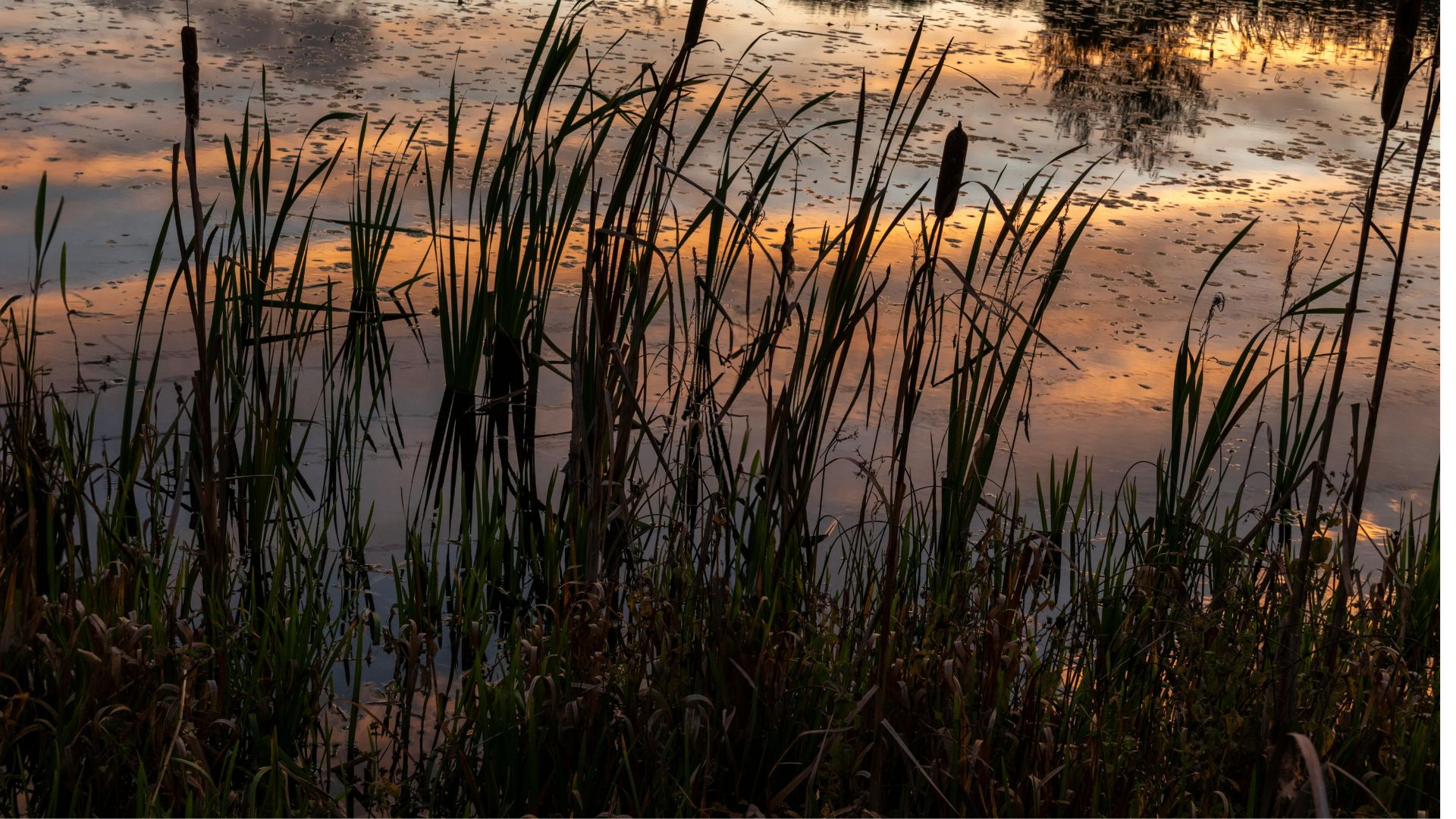
In the oldest traditions, a reading begins at dusk. The practitioner kneels at the water’s edge and waits for the light to abandon the sky completely. Only then, when the boundary between water and air becomes indistinguishable, does the surface become useful. A stone is dropped — always smooth, always cold, always borrowed from someone who has recently grieved — and the pattern of ripples is studied with the kind of patience that modern life has made nearly extinct. Each ring carries a different weight of meaning. The first is the self. The second is the question. The third is the answer the querent expects. The fourth, if it reaches the far bank, is the truth.
Few people receive the fourth ripple. The marsh is wide, and stones are small, and expectation has a way of swallowing honesty before it arrives. This is not considered a failure by the diviners. They would tell you, if pressed, that most people are not ready for what the water knows. Readiness is its own practice, separate from the act of looking.
The tools of the trade are deceptively simple. A shallow bowl carved from dark stone, filled each morning with marsh water strained through linen. A set of bone markers, each etched with symbols that correspond not to letters or numbers but to emotional states — longing, refusal, the particular ache of remembering something that hasn’t happened yet. These markers are cast into the bowl and read not by where they land but by the sound they make upon contact. A dull click means stagnation. A bright tap means movement. Silence means the question itself was wrong.
There are skeptics, naturally. There have always been skeptics. They arrive at the marsh with notebooks and measuring instruments, determined to prove that water is only water and bone is only bone. The diviners welcome them graciously and offer tea brewed from reeds that taste faintly of smoke. They answer every question with the same calm directness. And when the skeptics leave, usually by the second afternoon, they carry with them a lingering sense that something was measured after all, though not by any instrument they brought.

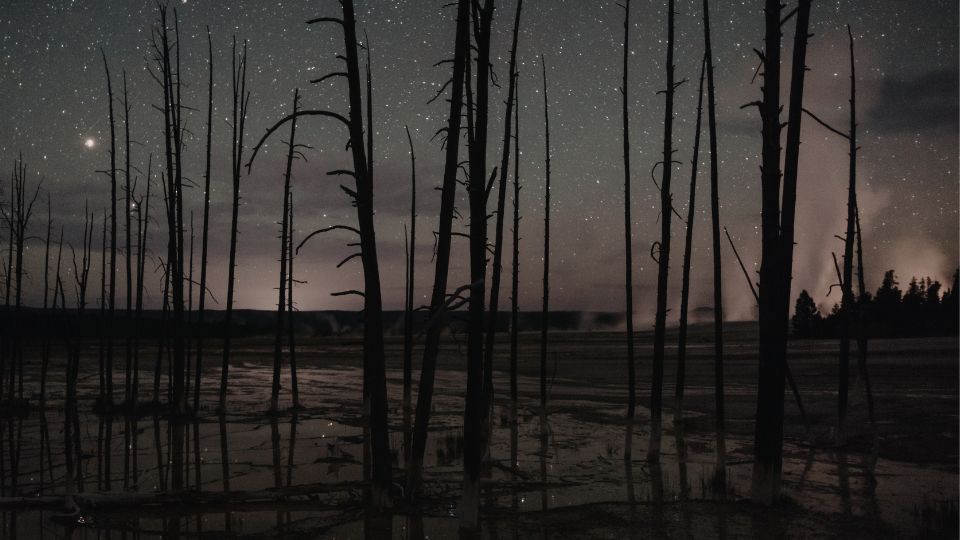
The marsh itself seems indifferent to all of this. It produces fog in the mornings and silence in the evenings and an unshakable sense of being observed from below. The water is black not from pollution or depth but from the tannins of ancient roots that have been dissolving slowly since before anyone thought to keep time. To look into it is to look into something that has been absorbing the world for longer than the world has been paying attention. The diviners say this is precisely the point.


Mirrors of Obsidian Water: Divination in the Black Marsh