Know someone who'd love Litopia? Share the link below.









The Monster We Were Promised
I tutor a small group of Year Five boys who love boardgames (let’s call them the Gamer Boys). We’ve been reading Holes by Louis Sacher because it’s a great book for this demographic, with a relatable protagonist called Stanley Yelnats and topics like betrayal, heritage and friendship under challenging circumstances. There’s also one little vignette that truly hit the Gamer Boys hard. To summarise, Stanley’s friend Zero recounts his difficult childhood, including how he was often left with his stuffed giraffe to wait while his mother worked. One day, she left him at a playground and never came back.
The Gamer Boys absorbed all this with their mouths agape, completely hooked. We even had to stop reading for long enough to draw the playground on the whiteboard, including the play tunnel with Zero sleeping inside. They needed to see it.
We continued reading. After he’d lived in the playground for two weeks, Zero came across a birthday party. The kids asked if he wanted some cake. Then a mom, who’d been staring at Zero, came up and shooed him away. She also told the kids to stay away from him.
I had to stop reading again because the Gamer Boys needed a few minutes to express their outrage. To quote: “If I’d been there, Zero could have played with my Nintendo Switch!” The injustice of cake denied affected them deeply, and the story acknowledged their fury through Stanley’s perspective and actions. Excellent work.
But there’s a problem with these spellbound moments, when the reader is gripped through their emotional engagement: they are incredibly fragile, and thus shatter when they don’t land.
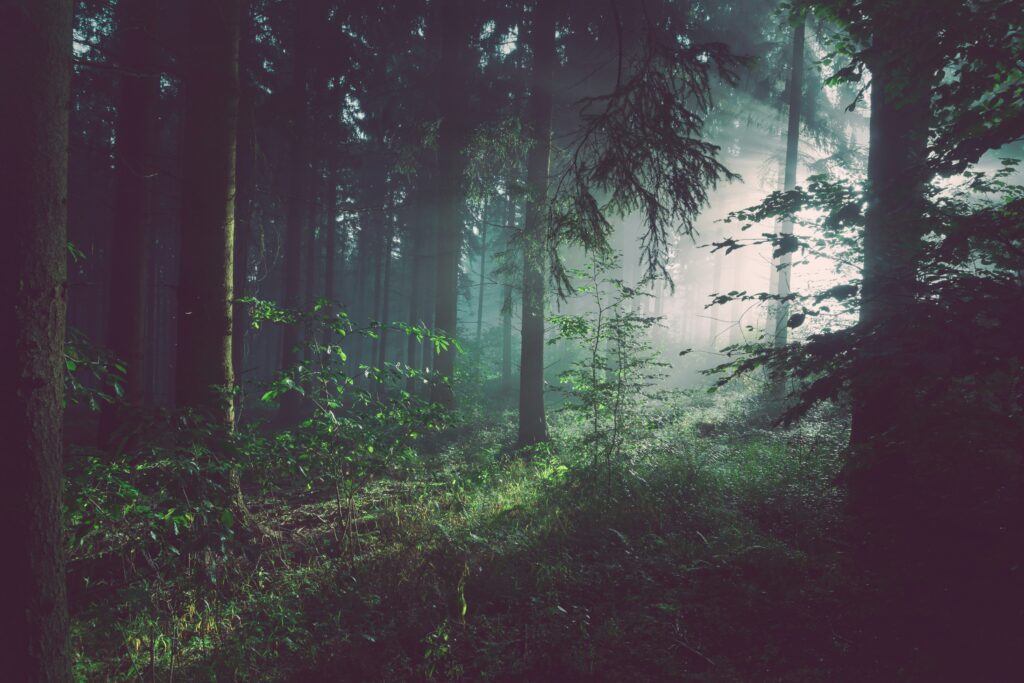
The other day, I had a kindergarten group (three ruffians and three lambs). We were reading a picture book about a misbehaving tiger cub who refused to go to bed, shouted at his parents, and stormed off into the jungle at night. All six kids were hooked as he slunk through the dark forest, and they squealed and pointed at the big yellow eyes that watched him from the trees. Something dangerous was waiting to teach this naughty cub a lesson.
But when the yellow eyes became a cute nocturnal animal who dispensed a brief lesson on ecology and a gentle redirect home, the story lost them completely. The ruffians immediately turned away and started fighting loudly over a book of warplanes. The lambs sighed and stared at their feet. I concurred with their assessment. We’d been promised consequences for bad behaviour, not a cosy resolution. To put it another way, the story had asked us to care about right and wrong, then told us the question didn’t matter. I’m all for gentle pedagogics, but for kids trying to build a sense of morality, this question is very relevant.
I’m open to suggestions for next week’s picture book.
Laura Rikono's Newsletter
Subscribe to receive newsletters from Laura Rikono directly in your inbox.
Laura Rikono's Newsletter
Subscribe to receive newsletters from Laura Rikono directly in your inbox.

The Monster We Were Promised
Mark Twain wrote about these Sunday School books with the “message.” I also personally hate that little children are being given the responsibility for solving the environmental disasters of the world. The least powerful among us but adults put it on their tiny shoulders? King of the Wind, Marguerite Henry,… Read more »
Awesome suggestions! I will check those out 🙂
If you’d been my teacher when I was a child, I may have grown up to become king of the world.
Not sure about that, my reward system doesn’t encourage royal behaviours…
I would have been a benevolent king, and my ministers would have been poets.
‘Where the Wild Things Are’ by Maurice Sendak might be an option for a picture book if they haven’t already seen it.
That’s absolutely on my list for next week! We just had Goldilocks and the Three Bears and it hooked them all the way till the end.
We’re Going On a Bear Hunt is amazing, and here’s the author demonstrating how it’s read/performed: https://youtu.be/2OI7fe766nk?si=Hfpy95cIWVQDP63g
Another excellent one! Perfect 🙂 I hope we get as expressive