Litopia Writers’ Reading List 2024

Peter Cox, founder of Litopia
I asked our members a simple question.
Which books have had the most profound impact on your development as a writer?
Here’s what they told me. A glorious cornucopia of more than forty definitive titles that ought to be on your reading list.
And note: if you buy them all (why not?) it will still be cheaper than taking one average-priced commercial writing course.
We’ve all enjoyed putting this list together, and we hope you get as much out of it as we have.
Peter Cox
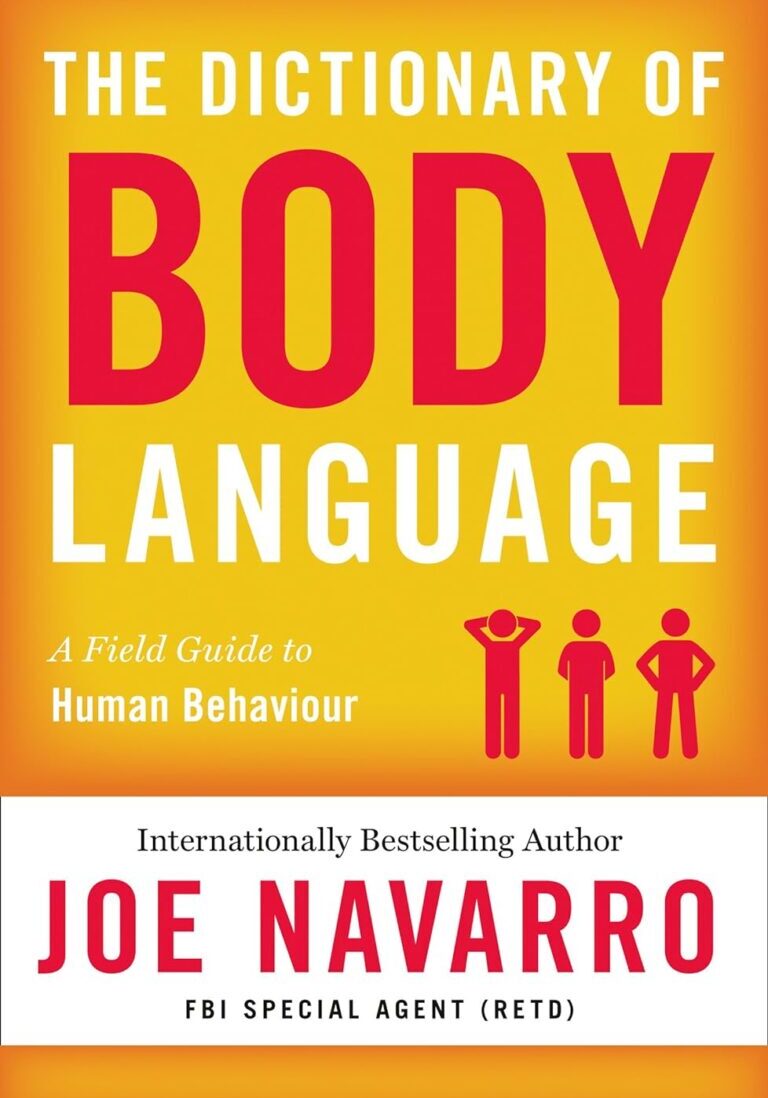
The Dictionary Of Body Language by Joe Navarro
Our Summary
Not a writing book per say, but an invaluable text for writers. That is, it’s dictionary structure means you can flick to a section and read about a specific body part you want to write about and read authentic body language positions/movements, etc. for each character. For example, you might might want to write about a character’s eye, head, hand, etc. movement, the text allows you to learn authentic, non-cliched body language. Written by a ex-FBI agent, it is easy to read and invaluable for adding layers of authentic ‘show’ to characters. Works well with Navarro’s first book What Every Body is Saying (a more detailed account of body language with illustrations).
What I learned From It
Genuine body language that can be adapted to different characters for accurate emotion and thus characterisation. Rather than relying on the usual cliches in body language for characters, this book elevates and authenticates body language, movement, and thus emotion that ‘shows’ rather than ‘tells’ the reader in a believable manner. Easy to use both via the chapter headings and the detailed index to research each different part of the body. This is one book I would not be without as a writer.
Rachael Burnett
[maxbutton id=”1″ url=”https://amzn.to/47FXKVv” ]
[maxbutton id=”2″ url=”https://amzn.to/3RmatXH” ]
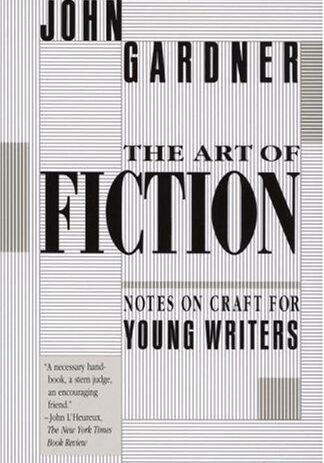
The Art Of Fiction by John Gardner
Our Summary
This is a self-proclaimed book of basics, but Gardner is clearly elitist; this work is aimed at writers aspiring to create art. It covers plot, character, sentence structure, poetic rhythm – all the mechanics of writing fiction – but he’s less interested in dictating laws of good writing. “Every true work of art,” Gardner claims, “must be judged primarily by its own laws.” His primary interest is about how to create a vivid dream to absorb the reader to the end of the story.
What I learned From It
This book is disorganised, but full of important lessons. There is no story until there is a plot capable of expressing it. The primary requirement of a piece of fiction is verisimilitude – that the reader can believe these events happened, or could have happened, or might happen in a slightly different world. And verisimilitude requires vivid detail. Most importantly it taught me to focus less on the technical details of correct writing and more on making the writing vivid and absorbing.
Dan Payne
[maxbutton id=”1″ url=”https://amzn.to/3QQbXYC” ]
[maxbutton id=”2″ url=”https://amzn.to/3R9OeE7″ ]
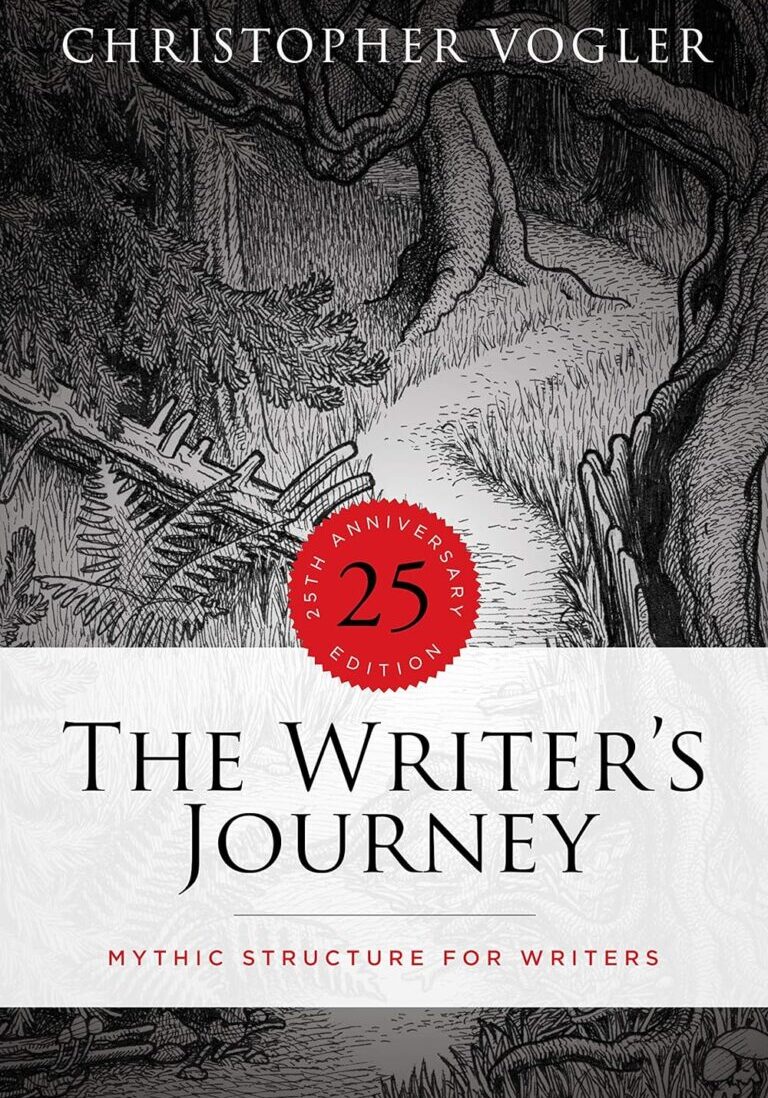
The Writer’s Journey by Christopher Vogler
Our Summary
This is Hollywood story consultant Vogler’s distillation of Campbell’s The Hero With A Thousand Faces. That is, it’s a book on comparative mythology turned into a writing manual about the “Hero’s Journey”.
What I learned From It
See description in previous post of Campbell’s The Hero With A Thousand Faces.
Rich.
[maxbutton id=”1″ url=”https://amzn.to/40Qh7by” ]
[maxbutton id=”2″ url=”https://amzn.to/3QQsziQ” ]

Basic Membership Is Free.
Basic membership is sufficient for many writers.
Benefit from unlimited access to the Writing Lab for critiques using the Litopia® Method… Start your own writer’s blog on our powerful platform… And of course, maximum support from the oldest and friendliest community for writers on the ‘net.
Full Membership Is Only $149.95 For An Entire Year
Everything in Basic Membership plus unlimited access to all our writing seminars and unlimited access to our weekly live Writers’ Huddles for personal mentoring & coaching.