Know someone who'd love Litopia? Share the link below.
Lit Mags for Beginners – Part Two
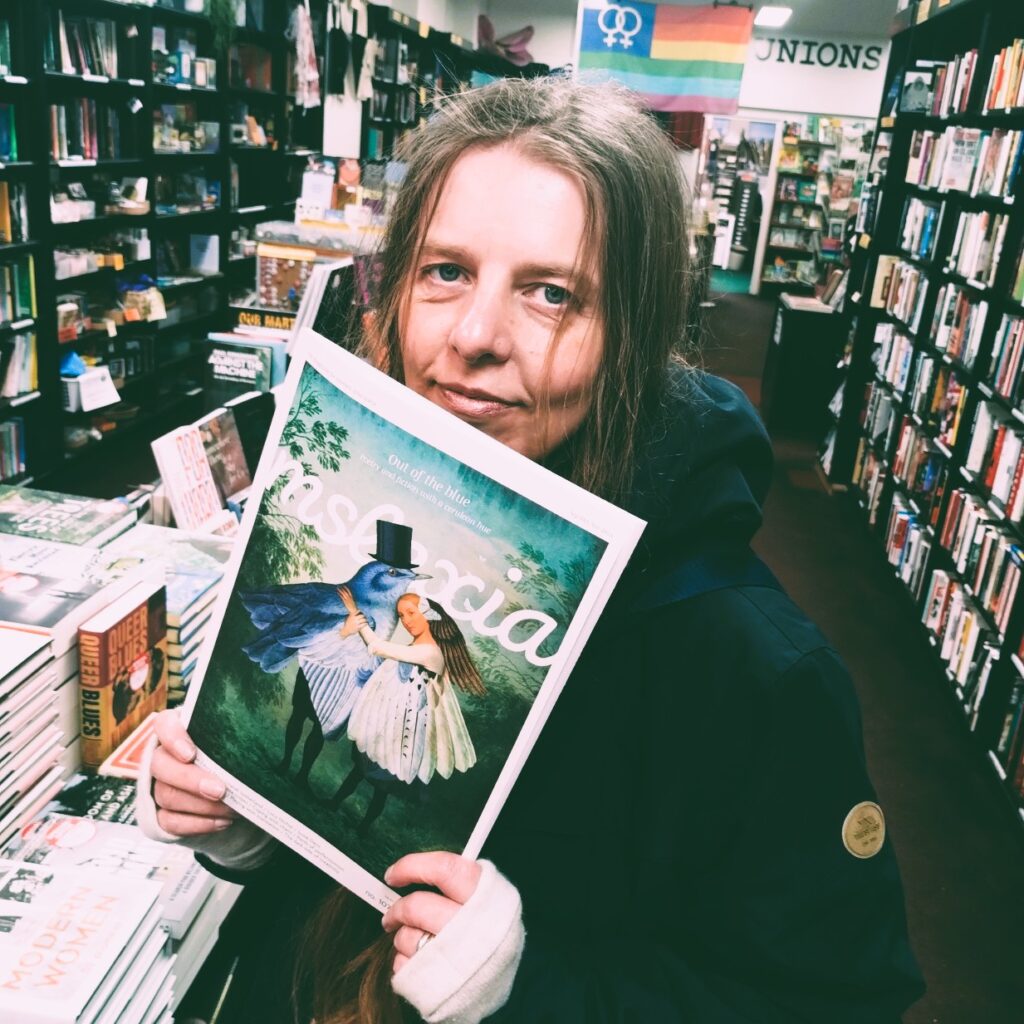
Last time we talked about finding publications to send your work to. Now you’ve imagined your story or poem amongst the prestigious pages of Brilliant Authors’ Weekly, how do you get it published?
Make sure your story, poem or essay is ready to submit.
Only you can say when your piece feels ready, but it’s unlikely to be successful if the editor of a literary magazine is the first person to read it. Get an objective opinion from a reader you trust or, better still, share it in the Litopia Lab and let your fellow writers help you polish it to the best it can be.
Follow the formatting and submission guidelines
Ignore the guidelines at your peril. Don’t exceed the word count. Give them the font they want. If they want single spacing, then single space it, even if it looks weird. Don’t send a pdf if they only accept Word docs and vice versa. If selection is anonymous, make sure your name and contact details aren’t on the document. If they want it via Submittable, don’t send an email. Don’t give them a reason to reject before they’ve even read it.
Write a professional cover letter.
Most magazines request a cover letter with a third person bio. But it’s very different to an agent query letter. You don’t need to pitch, and they don’t want to know about the plot or theme of your submission or even why you think it’s a good fit for their magazine. Keep it short and let your writing speak for itself. And don’t be shy if it’s your first submission. Many magazines love to be the first to publish a new talent.
Here’s an example:
Thank you for considering my 4,000 word story, Sarah Says.
My third person bio:
Neil Harper is a writer from North Wales. He is the author of four novels including the critically acclaimed Nowhere Boy and The Salvation of Florence and Jim. His short stories have been published in Popular Regional Quarterly and Dead Good Magazine.
Many thanks for your time.
Regards,
Neil (he/him)
neil.harper@nowhere.co.uk
litopia.com/neil-harper
Before Neil had anything published, his letter read like this:
Thank you for considering my 3,000 word story, The Flight of the Cuckold.
My third person bio:
Neil Harper is an emerging writer from North Wales. He’s an active member of Litopia, the world’s oldest online writers’ group, and he blogs here: litopia.com/neil-harper
Thank you for your time.
Should I pay a fee to submit my work?
It’s up to you how you spend your money, but I’m wary of publications that charge more than a token amount to cover admin costs. I’ll happily pay a $3 tip-jar donation, but I object to compulsory fees that inhibit writers on low incomes.
Should I pay extra for expedited response or a critique?
Some magazines offer expedited decisions for an extra charge. This might seem a good deal, especially if it’s an exclusive submission and you want to send it elsewhere if it’s a rejection. But be warned, a quick response might not give you an answer either way. I once paid for an expedited response (only a few quid; I wouldn’t pay more), but what I got was a swift ‘shortlisting’ notification and then nothing else. I didn’t discover my rejection until the issue I’d submitted to was published without my story. This isn’t an isolated incident, and I know of other writers who have had similar experiences with expedited subs.
Some magazines offer critiques for a fee. You might consider this if you respect an editor’s opinion and know their credentials, but you can get critiques for free in the Litopia Lab.
Will I get paid?
Most magazines don’t pay their contributors. Most don’t pay their editors either. The majority of lit mags are run on love. Of the few magazines that can afford to pay, the recompense is nominal. There are a handful that pay more than a hundred dollars, but if you calculate your hourly rate for the piece that took weeks to write and edit, it’s not a sustainable income. Once you accept this, it opens more opportunities for your writing with a return of publishing credits, readership and respect for your work.
I’m writing a novel; why should I care about Lit Mags?
You could try writing something short, but if the novel is your thing, there are some magazines that publish extracts. This doesn’t necessarily mean the same three opening chapters you’ve been sending to agents for the past six months. If you have chapters later in the novel that can work as a complete episode, this is the ideal opportunity to polish them up and get them published. Don’t try and pass them off as a short story but submit as an excerpt which can then create a buzz around the novel. Plus, it’s a credit to add to your agent query letter. That’s the theory anyway.
Lit Mags accepting novel extracts:
Excerpt Magazine 3,000-5,000 words from anywhere in the novel
Embark 2,500-4,000 word novel opening
Litbreak 3,500 word max
Shenandoah up to 8,000 words
Stinging Fly exclusive submissions only (no simultaneous subs)
Commuter Lit up to 4,000 words – observe strict formatting instructions
L’Esprit up to 7,000 words – does not need to work as a stand alone episode
Socrates on the Beach 3,000 to 10,000 words
Agni no hard word limit, but excerpts should read as if they could stand alone
I don’t write literary fiction, is there a lit mag for my genre?
There are lit mags for every genre. Search for sci-fi, horror, fantasy, romance, etc on Chill Subs or check out the curated lists at Authors Publish
Want to know more about Lit Mags?
Get more advice and join the discussions on Substack. Here are a few of my favourites:
Do you have any lit mag recommendations? Let us know in the comments below.

Rachel McCarron's Newsletter
Subscribe to receive newsletters from Rachel McCarron directly in your inbox.
Rachel McCarron's Newsletter
Subscribe to receive newsletters from Rachel McCarron directly in your inbox.



Keep plugging away… as you’ve inspired me to.
Excellent post! Thanks for sharing.