Know someone who'd love Litopia? Share the link below.
The Beekeeper of Nanjing
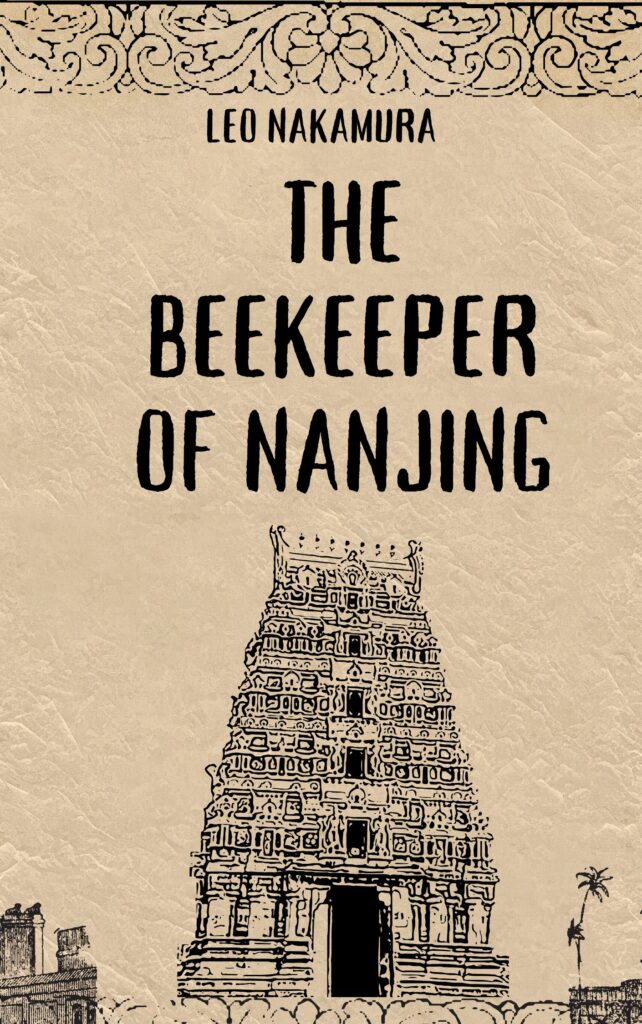
When Dr. Lian Xu loses her university position over a controversial paper on insect memory, she retreats to the only place that might still accept her: a crumbling house on the outskirts of Nanjing where her grandmother once kept bees.
The hives are still alive. They shouldn’t be — no one has tended them in twenty years. As Lian studies their impossible survival, she begins to decode movement patterns that map precisely onto events her family has refused to speak about since 1937.
What follows is a novel about silence, inheritance, and the unbearable weight of what small creatures carry so that larger ones can pretend to forget.
I finished it at 2 a.m. and then sat in the dark for a long time, listening. This is a novel that hums — quietly, persistently, and with more grief than you think you can bear, until you realize you've been bearing it all along. — Yun Jiao-long, author of The Lantern Province
”The audiobook edition of The Beekeeper of Nanjing is narrated by Mei-Lin Huang, whose measured, unhurried delivery has drawn comparisons to standing in a room where someone has just stopped speaking. Huang brings a rare restraint to Lian’s voice — clinical and guarded in the early chapters, then gradually loosening into something rawer as the hives reveal what they carry. The production includes a subtle ambient layer of recorded apiary sound, present only in chapters set among the bees, so quiet that most listeners don’t consciously notice it until it stops. The silence that follows is, by several accounts, the most affecting moment in the entire performance. Runtime is eleven hours and fourteen minutes. A companion essay by the author, not included in the print edition, follows the final chapter.
The novel began as a footnote. Author Maren Veldt was researching epigenetic memory in honeybees for an unrelated magazine piece when she encountered a passing reference in a 1962 Nanjing agricultural report to an apiary that had “ichō no kioku” — the memory of ginkgo — scrawled in the margins by an unknown hand. The phrase haunted her. She spent four years tracing it, and though she never found its origin, the search led her through wartime botanical records, interviews with beekeepers in Jiangsu province, and her own complicated relationship with inherited silence. Her mother’s family had left Nanjing before the war. They never said why. The novel is not autobiographical, Veldt insists, but admits she has not been able to read the final chapter aloud without stopping.
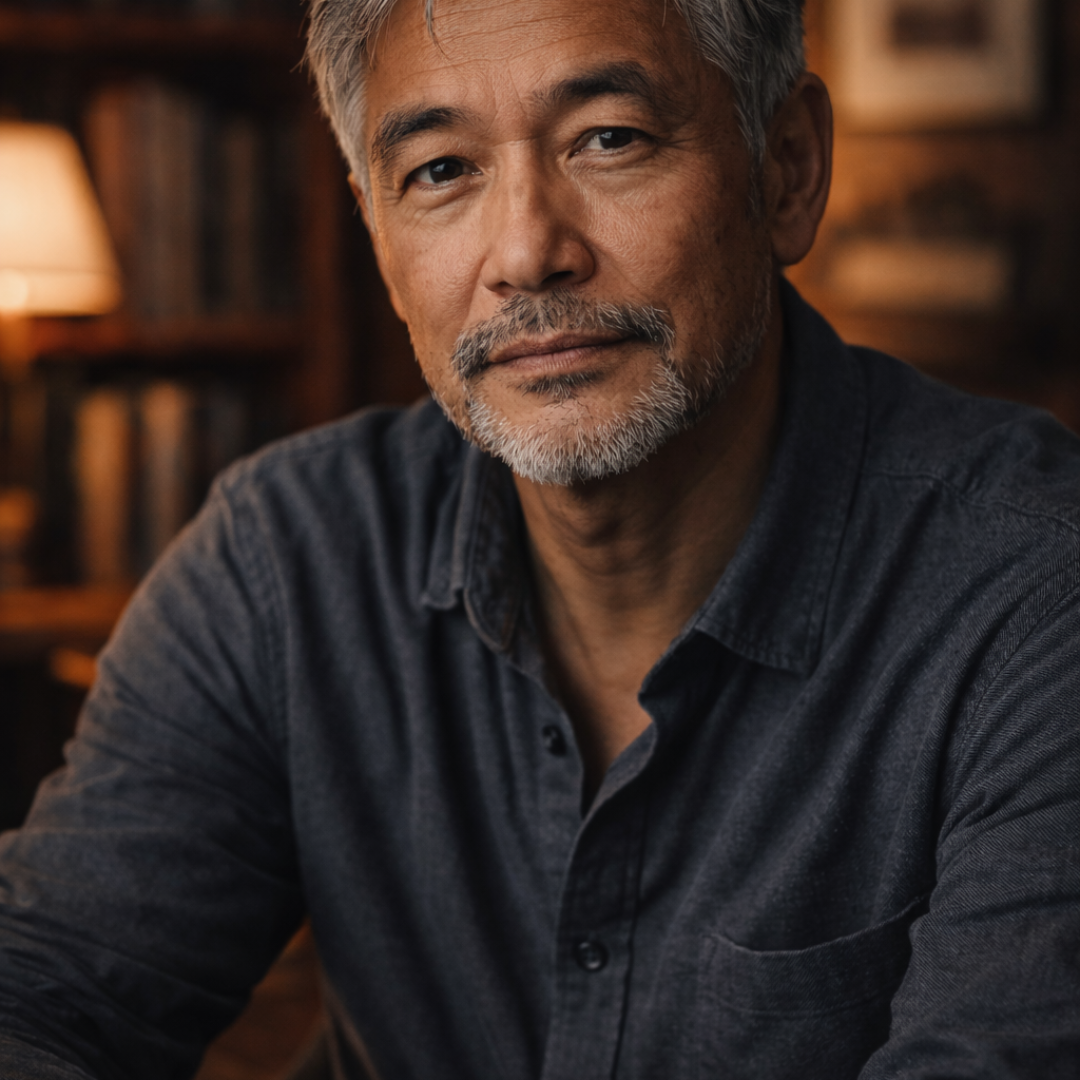
Leo Nakamura's Newsletter
Subscribe to receive newsletters from Leo Nakamura directly in your inbox.